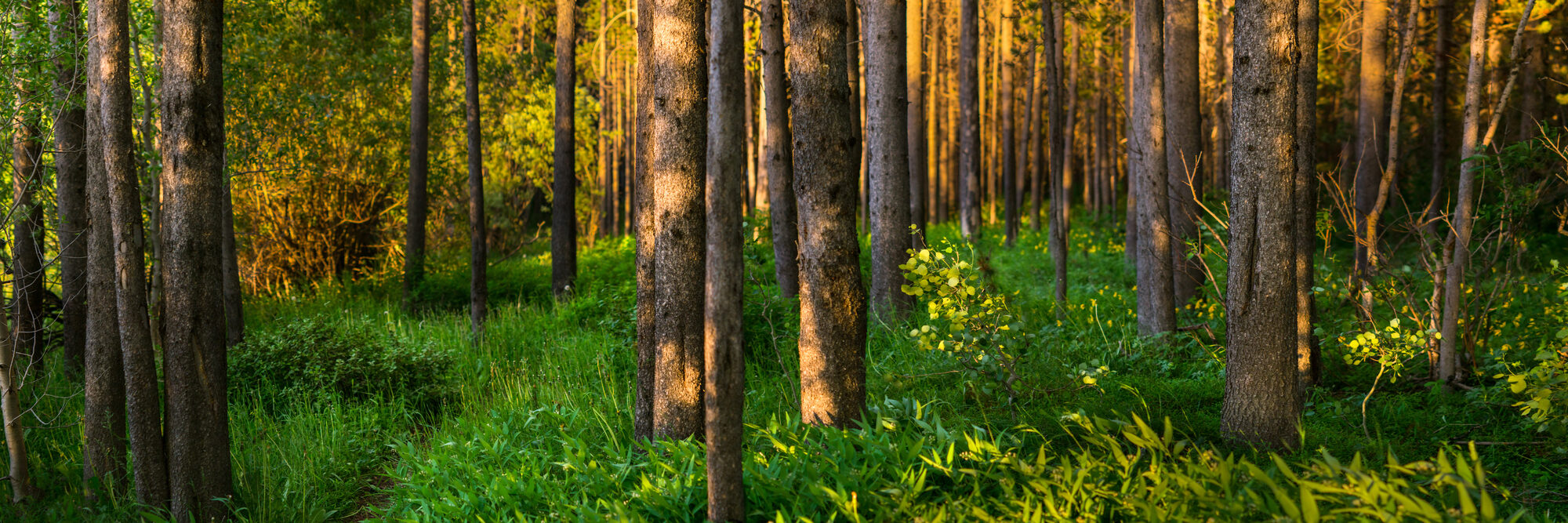
What summer looks like
Summer in Island Park is peak season — the months everything is happening. Yellowstone is fully open. The Henry’s Fork is fishing. Floats run daily. The lakes are warm enough to swim. Geysers, hot springs, wildlife, family activity. Also: the most visitors and the highest rates.
Mid-June through mid-August is the core. June has fishing’s premier hatches and lighter crowds. July is peak everything — crowds, heat, costs. August brings reliable warm weather but also wildfire smoke risk and lower water on the lower river. Below: a working summer planner.
Month by month
Mid-to-late June (the sweet spot for anglers)
The third week of June is the green drake hatch on Harriman — widely considered the peak event on the Henry’s Fork. Lodges and guides book out 6+ months ahead for this week. Average temps: 70°F days, 45°F nights. Mosquitoes peak now through mid-July.
July (peak family season)
Everything is open. Yellowstone roads are at maximum traffic. Floats on the Henry’s Fork run continuously. Average temps: 80°F days, 50°F nights — warmer than most of Idaho. Caution: water temperatures on the lower Henry’s Fork can climb above 70°F in afternoons, making catch-and-release harmful. Many guides switch to morning-only trips by late July.
Fourth of July weekend is the busiest weekend of the year. Book lodging 6 months ahead. Expect Yellowstone gate lines of 30+ minutes on Saturday morning.
August
Continued peak. Hopper and trico hatches on the river. Late summer wildflowers in the high country. Wildfire smoke is the variable — western fires can blanket the area with smoke for days. Check air quality before flying in.
By mid-August, school-bound families begin tapering off. The Yellowstone crowds thin slightly. Fishing gets harder as water warms, but the cool-water windows at dawn and dusk are productive.
Early September
Labor Day weekend caps the summer. After Labor Day, the crowds drop dramatically while temperatures remain comfortable. The transition into shoulder season — many locals’ favorite week.
Planning notes
Lodging
Book 6–9 months in advance for July and August dates. The larger Grandview cabins (Teton View Both, Riverfront Wildlife Lodge) book up earliest for big family weeks.
Yellowstone strategy
Be at the gate before 8 AM in July and August. Plan your park day around dawn wildlife in the valleys and mid-day geysers; avoid the 11 AM to 3 PM peak crowd window if possible.
Heat and altitude
The combination of 6,300-foot elevation and dry mountain air can dehydrate visitors faster than expected. Carry water on every outing. Watch kids especially.
Lightning
Afternoon thunderstorms develop quickly in July and August. Off any exposed ridge or alpine lake by 1 PM. Lightning kills hikers in this country every year.
What's not great in summer
- Hunting (closed until late August archery)
- Snowmobiling (no snow)
- Cross-country skiing
- Solitude (book mid-June or post-Labor Day for fewer crowds)
Tactics for handling peak season
If your trip falls in July or August, planning the week around the crowds matters more than the activity itself. Below is the working approach experienced visitors use.
The dawn rule
The most effective single tactic: be inside Yellowstone before 8 AM. The gate line at the west entrance backs up by 9 AM on summer weekends, sometimes to 30–45 minutes. The geyser basins are coolest, most photogenic, and least crowded in the first 90 minutes after sunrise. Wildlife activity is at its daily peak.
That means leaving Island Park around 6:30 AM in late June (sunrise ~5:45) or 7:00 AM in August (sunrise ~6:15). It feels early. The trade-off is consistent: visitors who run their park day from 7 AM to 11 AM see more, drive less, and avoid the worst crowds. The afternoon is for the river, the cabin, or West Yellowstone.
Reservations matter more than usual
- Old Faithful Inn dining room: Books out 3–6 months ahead in summer. Reserve before you arrive.
- Henry’s Fork guides: The premier guides at Henry’s Fork Anglers and TroutHunter book 4–6 weeks ahead for July and August.
- Float trips: Mack’s Inn River Adventures handles walk-ins, but mid-day Saturdays in July see waits.
- Pond’s Lodge dinner: Reservations recommended; the dining room is small and lodging guests get priority.
Heat management
Island Park is at 6,300 feet. UV is intense. Afternoon highs of 80°F at altitude feel hotter than the same temperature at sea level. Three things matter: high-SPF sunscreen (50+) applied multiple times per day, sun-protective clothing rather than relying on sunscreen alone, and hydration (water plus electrolytes on active days).
Lightning
Afternoon thunderstorms develop quickly in July and August. The pattern: clear morning, building clouds by noon, full storm by 2–4 PM. Stay off exposed ridges (Sawtelle Peak, Centennial Range high points) after 1 PM. Lightning kills hikers and anglers in the northern Rockies every year. If you hear thunder, leave the water and find lower ground.
Wildfire smoke
July and August routinely see smoke from western wildfires reach the area. Some days are clear; some days you can’t see Sawtelle Peak from US-20. Check current air quality at airnow.gov before activity. Smoke affects photography (no Tetons), exercise (high AQI hits cardio fast at altitude), and visibility in Yellowstone.