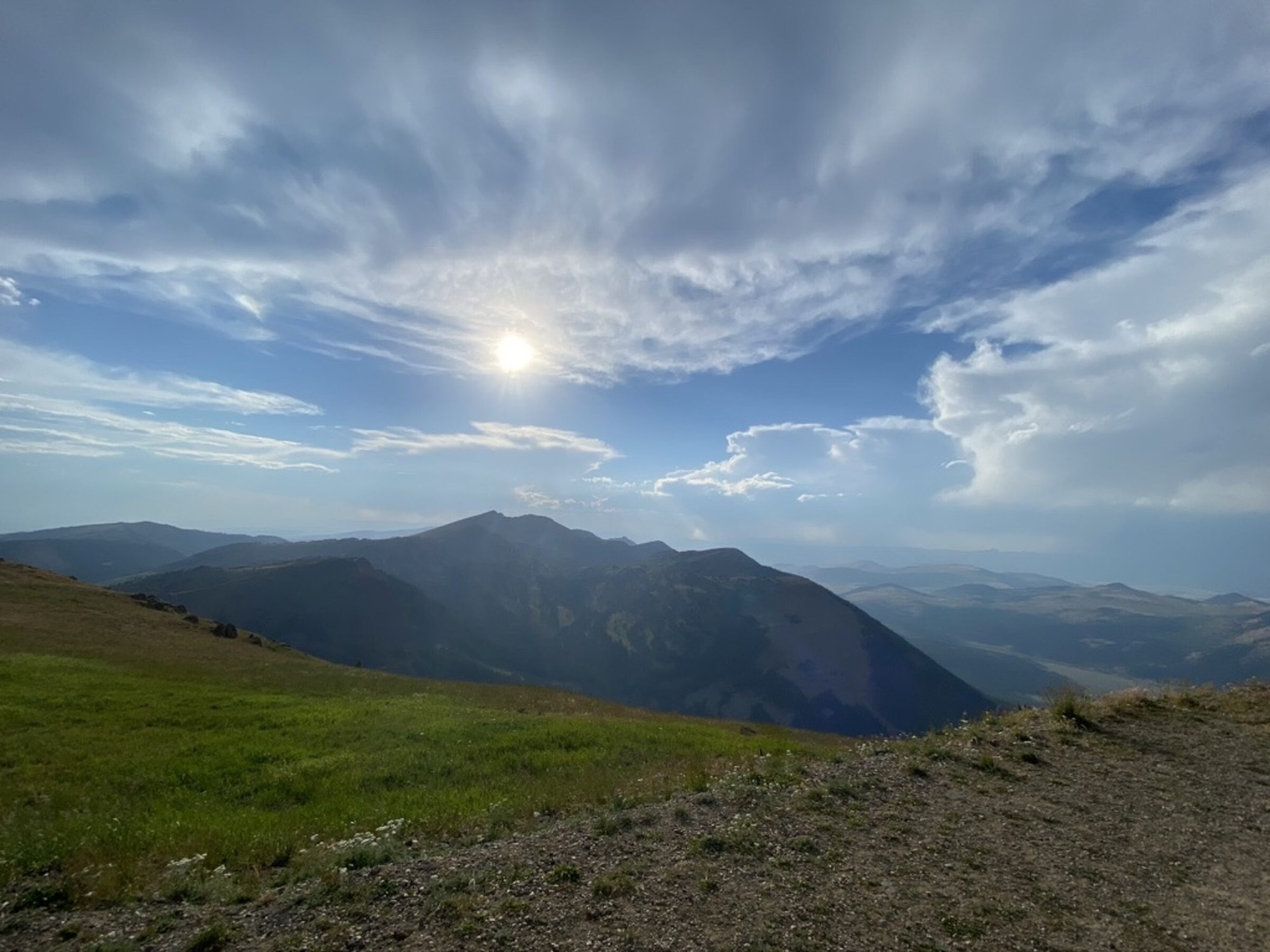
Why fall is many locals' favorite
Fall in Island Park is the season that gets the least visitor attention and rewards visitors the most. The Yellowstone crowds drop sharply after Labor Day. The fishing improves through October. Aspens turn gold. The elk rut begins, with bugling males audible for miles at dawn and dusk. Hunting seasons open.
Temperatures swing widely — 70°F afternoons followed by 25°F nights are common. Snow can fall any time after mid-October. The weather window is wider than visitors expect, and the experience is richer than the same trip in July.
Month by month
September (the canonical fall month)
The aspens turn gold mid-September through early October. The elk rut peaks — bull elk bugling in the Hayden Valley and Madison Junction is one of the great Yellowstone audio experiences. Fishing improves daily as water temperatures drop.
Yellowstone wheel-vehicle season runs through the first Sunday in November. Most lodges in the park stay open through September; some close in early October.
Average temps: 65°F days, 35°F nights. First frost typically mid-September.
October
The most variable month. First snow can dust the high country any time after October 5. Some years stay warm and dry through Halloween; others have multiple snowstorms.
Hunting general seasons begin: archery elk and deer through September, rifle deer in early-to-mid October, rifle elk mid-October through mid-November. Forest Service roads see significantly more truck traffic.
Mack’s Inn River Adventures closes for the season around Labor Day; floats end. Most lodges shift to winter hours by mid-October.
Early November
Transition to winter. Yellowstone’s west entrance closes to wheeled vehicles around the first Sunday in November (verify current year on NPS site). Lakes begin to freeze. Snow becomes the dominant weather feature.
What fall is best for
Wildlife
The elk rut from mid-September through mid-October is one of the great wildlife experiences in North America. Bull elk are aggressive, vocal, and visible. Madison Junction and Hayden Valley are the canonical spots. Dawn drives are essential.
Bears reappear at lower elevation as they fatten for hibernation. Bear viewing is at its second-best of the year (May is first). Carry bear spray.
Fly fishing
September through mid-October is the back end of the Henry’s Fork season. Cooler water, smaller hatches (baetis, mahogany duns), and aggressive pre-spawn brown trout. Fewer crowds on the Ranch.
Photography
Late September aspen gold across the byway. Low-angle light. Wildlife active. The best photography month, agreed by most locals.
Hunting
For licensed hunters with tags in Units 60–62, the September through November window is the prime season. See the hunting guide for tags, seasons, and the general picture.
Solitude
Post-Labor Day crowds drop dramatically. By mid-September you can have most attractions to yourself outside of the elk-rut hotspots.
Practical notes
Pack layers
Layer system is essential. Heavyweight base layers, mid-layer fleece, insulated jacket, waterproof shell. Insulated boots after early October.
Watch road conditions
Snow can close passes (Targhee Pass between Idaho and Montana, Teton Pass between Idaho and Wyoming) in October. Check 511.idaho.gov before driving.
Hunter awareness
If hiking or photographing during big-game seasons, wear blaze orange. The forest is shared with hunters; mutual awareness keeps everyone safe.
Lodging
September and early October still book up, but later than summer. Booking 3–4 months ahead is usually sufficient. Mid-October is the easiest booking window of the entire year — weather is good, crowds are minimal, rates often discount.
Fall photography: what to plan around
Fall in Island Park is the photography season — agreed by most local photographers. Three things make it work: low-angle light from the southern sun position, aspens that turn bright gold against dark conifers, and wildlife in full activity. Below is the working plan.
The aspen window
Aspen color typically peaks September 20 through October 5, with variation by elevation and year. Higher-elevation aspens turn first (Sawtelle area, Mesa Falls Scenic Byway). Lower-elevation aspens (Harriman State Park, Henry’s Fork canyon) hold color into early October. A weather check the week before: a hard frost accelerates the turn; an Indian-summer warm stretch extends it.
Where to be at what time
- Sunrise: Madison Junction in Yellowstone for bison + elk in golden grass, or Harriman’s eastern overlook for trumpeter swans on glassy water.
- Mid-morning (8:30–11 AM): Mesa Falls Scenic Byway. The falls receive direct morning light. The drive between Lower and Upper Falls passes through prime aspen stands.
- Afternoon (2–5 PM): Sawtelle Peak summit road for the long view of the Tetons backlit. The road climbs through aspen pockets near the top.
- Sunset: Henry’s Lake from the south shore. The sun sets behind the Centennials; the lake catches alpenglow.
- Blue hour: The Old Faithful Inn or Mammoth Hot Springs in Yellowstone if you’re still in the park.
Elk rut photography ethics
Bull elk during the rut are aggressive and unpredictable. They will charge photographers who get between them and their cows. The NPS minimum is 25 yards. The right answer is a 300mm+ telephoto lens from a long distance — not creeping closer for the shot.
The frost/snow gamble
After October 10, plan for the possibility of snow on any day. A hard frost on early-October mornings produces some of the year’s most photogenic conditions — rime on grass, steam off the river. A surprise October snowstorm can also strand drivers on Targhee Pass or Teton Pass. Watch the forecast in the 24 hours before you drive.